
More Than 10 Million Americans Will Lose Medicaid Coverage to Fund $45 Billion ICE Buildout
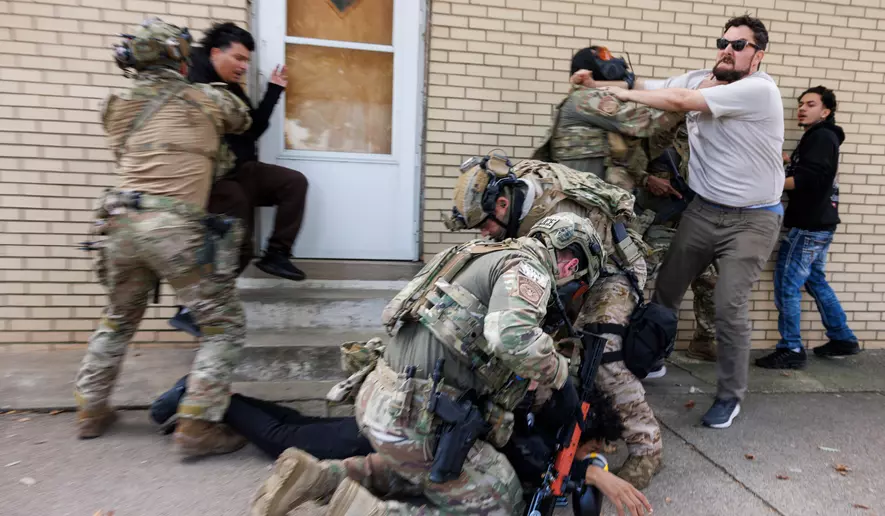
The U.S. House Judiciary Committee sternly questioned U.S. Homeland Security Secretary Kristi Noem this week for the alleged misconduct of her agency, including the ICE killings of U.S. citizens Renee Good and Alex Pretti. Instead of showing a shred of remorse over the unlawful killings of Americans, Noem predictably went on the offensive against the collective “they.”
“Today, they’re defending citizens because they know they shouldn’t be putting illegal aliens in front of citizens,” Noem told the committee. “They’ve changed their method now. They realize that when they’re fighting for people who shouldn’t be in this country to begin with, that that’s a losing statement with the American people.”
President Donald Trump’s administration has sought to make ICE a centerpiece of his second term in office. As of mid-January, 73,000 people were being held in U.S. detention centers, a 75-percent increase since Trump took office.
That scale of mass surveillance, capture and imprisonment comes with a giant price tag. Trump’s One Big Beautiful Bill, signed on July 4 last year, allocated $45 billion for ICE detention. U.S. citizens will ultimately pay that price, with the bill handily cutting close to $1 trillion in Medicaid benefits over a 10-year period. The expected result is that more than 10 million Americans will lose their healthcare coverage.
The Trump administration is aiming to get more than 100,000 detention beds “online” by the end of the year, and is reportedly looking into the purchase of unused commercial warehouses capable of housing thousands of people.
Private prison companies are experiencing a major windfall thanks to the aggressive ICE expansion funded by cuts to U.S. citizens’ healthcare coverage. CoreCivic and GEO Group, the two largest private prison companies in the US, both saw massive revenue increases last year. CoreCivic’s Q4 earnings were up 26 percent over the previous year, while GEO Group’s annual revenues jumped from $2.4 billion in 2024 to $2.6 billion in 2025.
And the Department of Homeland Security is only getting started.